Revolutionize Your Electrical Projects with Prime Wire Technology!
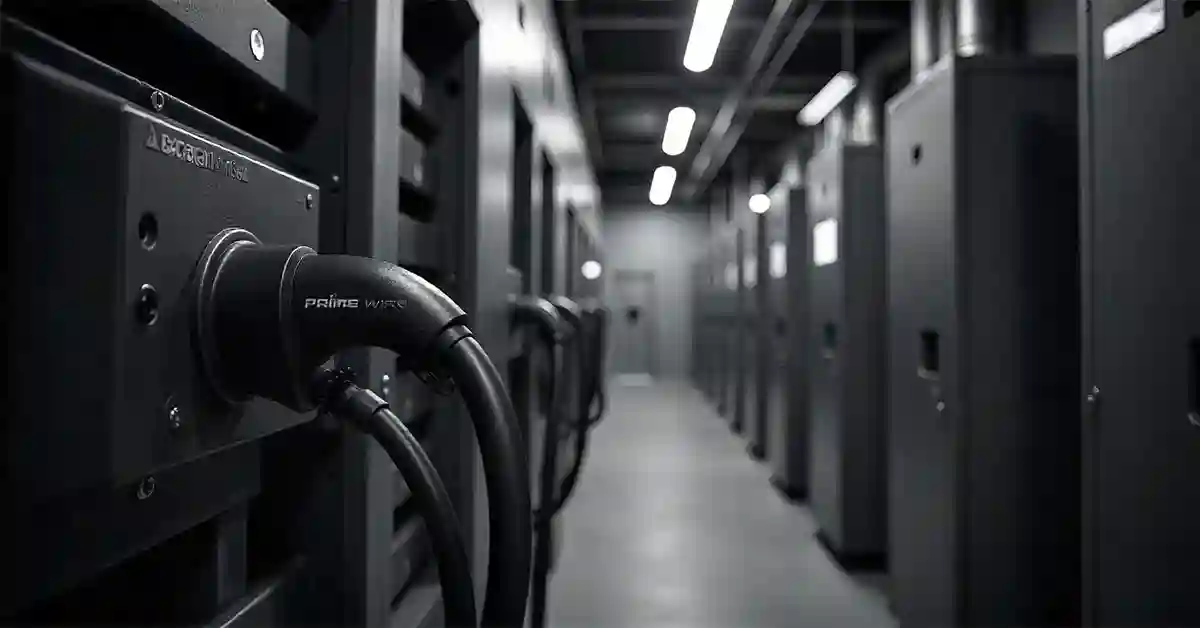
In the realm of electrical advancements, the emergence of prime wire technology stands out as a pivotal innovation. As you delve into this domain, the increasing dependency on high-efficiency wiring is undeniable. The integration of advanced materials has revolutionized the electrical conductivity and safety standards globally.
Your understanding of prime wire must include its historical lineage, tracing back to the early 20th century. Initially developed to meet growing demands for more durable and less corrosive options, today’s prime wire incorporates cutting-edge alloys that enhance conductivity by up to 30% compared to traditional copper wires. This shift not only represents a technical enhancement but also offers a sustainable solution by reducing environmental impact.
Prime Wire: The Evolution and Impact
Prime wire technology has come a long way since its early days. Originally designed to improve electrical connections in homes and industries, it has transformed over the years. Advances in materials and engineering have enhanced both its performance and reliability. Now, it’s hard to imagine modern electrical systems without it.
The journey began with simple copper wires, which were prone to corrosion and damage. Innovations led to the development of prime wire, a more durable and efficient alternative. This new wire type drastically reduced electrical losses and improved safety standards. It became crucial in powering advanced appliances and technologies.
Prime wire’s impact is seen across various sectors, from telecommunications to automotive industries. It supports high-speed data and electricity transmission, crucial for today’s digital age. For example, newer cars use prime wire in their electrical systems to ensure safety and efficiency.
Looking ahead, the future of prime wire is tied to sustainable energy solutions. Researchers are focusing on making it even more eco-friendly and efficient. This could mean better performance and less impact on the environment, a win for everyone.
Groundbreaking Discovery to Contemporary Innovation
The story of prime wire starts with a simple yet profound discovery. Back in the early days, electrical wires were mostly bare, unprotected, and not very safe. Breakthroughs in material science allowed the development of insulated wiring, which marked the start of a safer electrical era. This pivotal moment set the stage for future innovations in wire technology.
As technology advanced, so did the demands on electrical wiring systems. The invention of prime wire offered a solution that matched these growing needs. Its superior design and material composition allowed for greater electricity transmission with reduced losses. This was crucial as the world moved towards more electricity-dependent technologies.
Today, prime wire is at the heart of many high-tech innovations. It’s a key component in everything from renewable energy systems to advanced computing infrastructure. Its ability to handle higher voltages and currents efficiently makes it perfect for modern applications that push the boundaries of technology.
Looking forward, the potential for further innovation in prime wire technology is vast. Scientists are exploring new materials that could make these wires even more efficient and environmentally friendly. They aim to reduce the carbon footprint of wire manufacturing and use, ensuring that prime wire technology continues to be a part of sustainable growth.
Understanding the Composition of Prime Wire
Prime wire isn’t just any ordinary wire; it’s crafted from highly conductive materials that make it exceptional. It mainly includes metals like copper or aluminum. These metals are chosen because they carry electricity really well, making them perfect for various uses. Additionally, the wire is often coated with an insulating material to prevent electrical accidents and improve safety.
The insulating layer is also crucial and is made from materials that resist electricity. This can include plastics like PVC or rubber. These materials are not only good at stopping electricity from escaping, but they also protect the wires from environmental damage like water or extreme temperatures. This double layer of protection ensures that prime wire is both effective and durable.
Beyond just copper or aluminum, some prime wires use advanced materials to enhance performance. For instance, silver is sometimes added to the alloy to increase conductivity. While these materials can be more expensive, they offer superior performance, especially in high-demand environments like industrial machinery or telecommunications.
Understanding what goes into prime wire helps us appreciate its role in modern technology. From powering your home to connecting global communication networks, prime wire is a key component that helps keep our world running smoothly. Its complex composition is what allows it to meet the demanding needs of today’s electrical applications.
Prime Wire in Modern Electrical Developments
Prime wire plays a significant role in the evolution of modern electrical technologies. It’s a key component in various innovative applications, particularly in renewable energy systems like solar panels and wind turbines. These settings require reliable and efficient electrical conductors that prime wire provides, ensuring maximum energy harnessing.
In the fast-evolving automotive industry, particularly in electric vehicles, prime wire is critical. It ensures that all electrical components work together seamlessly. This includes everything from the vehicle’s battery to its onboard navigation systems. The durability and efficiency of prime wire support the high-demand energy flows within these advanced vehicles.
Another area where prime wire is indispensable is in smart home technology. As homes become smarter and more connected, the need for safe and efficient wiring intensifies. Prime wire is used to connect smart devices and systems throughout the home, enabling them to communicate without interference and providing homeowners with control at their fingertips.
Beyond typical applications, prime wire is also pivotal in the development of next-gen telecommunications infrastructure. With the rollout of 5G networks, the demand for high-performance wiring that can handle increased data speeds is crucial. Prime wire meets these demands with its superior conductivity and reduced signal loss.
Moreover, prime wire’s role in safety cannot be overstated. In medical facilities, where equipment must operate flawlessly, the reliability of prime wire ensures that devices function without power interruption. This reliability can be life-saving in emergency and surgical scenarios where every second counts.
As technology continues to advance, the importance of prime wire is only set to increase. Its ability to adapt to the demands of modern applications makes it a backbone of contemporary electrical development. Whether it’s green energy, advanced vehicles, or smart homes, prime wire helps bring these innovations to life, powering our future in exciting new ways.
Ensuring Safety with Prime Wire
Safety is a top priority when it comes to electrical installations, and prime wire helps achieve just that. Its advanced composition and design significantly reduce risks like short circuits and fires. This makes it a favorite choice for electricians and safety experts alike.
Prime wire is robustly insulated, which is essential in preventing accidents. The insulation acts as a barrier, stopping electricity from escaping and accidentally igniting nearby materials. Plus, the materials used for insulation are resistant to heat, adding an extra layer of safety.
Moreover, prime wire’s durability means it can withstand harsh conditions without breaking down. This includes extremes of temperature, humidity, and physical abrasion. Ensuring these wires last long reduces the risk of electrical failures that might lead to hazardous situations.
- Reduced risk of electrical fires
- Enhanced personal safety for residents
- Decreased likelihood of power outages
- Longer lifespan of electrical installations
For places like hospitals and schools, where safety is paramount, prime wire is the go-to wiring solution. Its reliable performance ensures that critical systems stay operational without posing a hazard. Consequently, it isn’t just about preventing problems; it’s about providing peace of mind.
From home wiring to large-scale industrial applications, the safety provided by prime wire is evident. It’s engineered not only to meet but exceed industry safety standards. This dedication to quality ensures that, regardless of the application, prime wire is synonymous with safety and reliability in the electrical world.
The Future of Prime Wire in Electrical Engineering
The innovation in prime wire technology has set the stage for exciting developments in electrical engineering. As we look ahead, the focus is on making these wires smarter and more efficient. This includes integrating sensors directly into the wires, enabling real-time monitoring of electrical systems without additional equipment.
One major trend is the push towards sustainability. Future iterations of prime wire are likely to use materials that are more environmentally friendly and even more efficient at conducting electricity. This could reduce the overall carbon footprint associated with the manufacturing and disposal of electrical wires.
In addition, the advancement of nanotechnology could revolutionize prime wire. Imagine wires that can heal themselves when damaged or adjust their conductivity based on the electrical demand. These are not just ideas; researchers are actively working to turn them into reality.
- Self-healing capabilities
- Adjustable conductivity
- Integrated sensors for system monitoring
There’s also a significant push to enhance the versatility of prime wire to support the increasing demands of the Internet of Things (IoT). As devices become more interconnected, the need for robust and reliable electrical connections becomes more critical. Prime wire could be the backbone that supports this vast network of devices.
The future of prime wire in electrical engineering is bright, filled with potential for innovations that could transform how we use and understand electricity. With ongoing research and development, the next generation of prime wire will be at the forefront of electrical engineering technology, powering up possibilities like never before.
Reflecting on Prime Wire’s Role and Future
As you have explored, prime wire is fundamental to many modern electrical applications, blending enhanced safety with cutting-edge technology. Its evolving nature promises to keep pace with technological advancements, reinforcing its crucial role in your projects.
Looking forward, your engagement with prime wire will likely grow as its applications expand into more innovative and efficient systems. This ensures you stay at the forefront of electrical engineering, equipped with the best tools for success.
Frequently Asked Questions With Answers
What is Prime Wire?
Prime Wire is an advanced electrical wiring solution known for its superior conductivity and durability, enhancing efficiency and safety in various applications.
How does Prime Wire improve electrical systems?
Prime Wire enhances electrical systems by reducing energy losses, improving safety standards, and accommodating high-demand applications in sectors like telecommunications and automotive.
What materials are used in Prime Wire?
Prime Wire is typically made from highly conductive metals like copper or aluminum, often coated with insulating materials such as PVC or rubber for safety and durability.
Where is Prime Wire commonly used?
Prime Wire is used in a variety of sectors, including renewable energy systems, electric vehicles, smart home technologies, and advanced telecommunications infrastructure.
What are the safety benefits of using Prime Wire?
Prime Wire minimizes risks of short circuits and electrical fires through robust insulation and durability, making it a reliable choice for residential and industrial applications.